


The Splendid Fairywren: Electric Blue, High Drama, and Pure Australian Magic
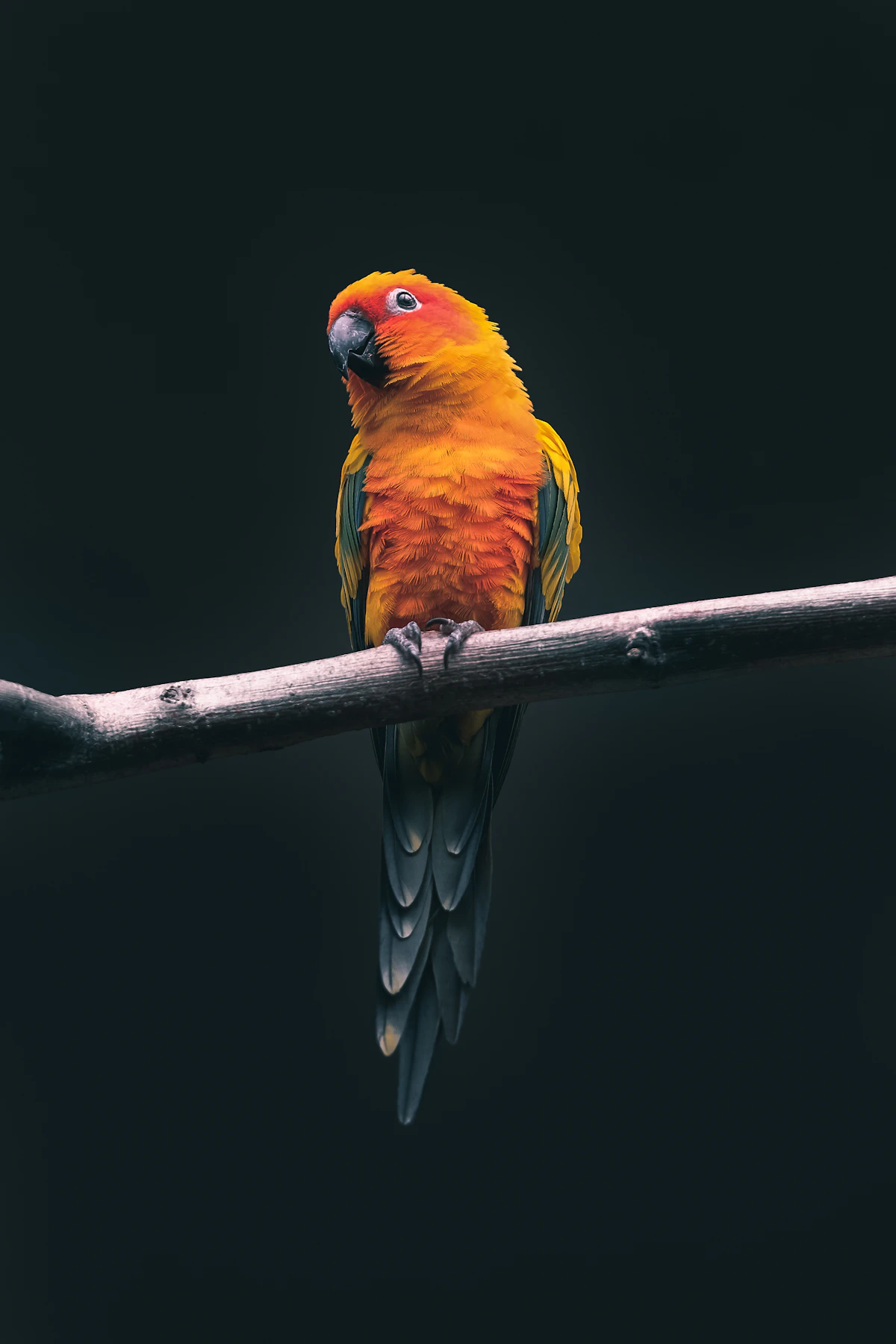
Photo: A breeding male Splendid Fairywren showing off its jaw-dropping cobalt plumage.
If you ever needed proof that nature has an absolute blast with the color palette, look no further than the Splendid Fairywren (Malurus splendens). Native to Australia, this tiny, high-octane passerine looks less like an actual biological organism and more like someone accidentally knocked an entire jar of cobalt neon dye onto a puff ball with a tail.
Every morning when I settle in with my second coffee—under the watchful, screeched supervision of my parakeet, Walter—I search for avian species that prove science is stranger and more delightful than fiction. The Splendid Fairywren doesn't just meet that criteria; it obliterates it. With a brilliant mix of sapphire blues, violet tones, and soap-opera levels of social drama, this species deserves top billing on your global birding bucket list. Grab your binoculars (and maybe some shades); we are diving deep into the electric world of Australia’s most dazzling songbird.
Field Guide Snapshot: How to Identify the Splendid Fairywren
Identifying a male Splendid Fairywren during the breeding season is about as difficult as spotting a neon sign in a dark alleyway. However, sexually dimorphic plumage, non-breeding eclipse phases, and overlapping ranges with other fairywren species mean you still need a keen eye for detail.
1. Breeding Males (The Showstoppers)
During the spring and summer breeding season, adult males undergo a full molt into a dazzling array of shades ranging from violet-blue to rich turquoise. Key identification marks include:
- Crown and Ear Coverts: Bright, shimmering lilac-blue to turquoise forehead and cheek patches.
- Throat and Chest: Rich cobalt blue separated from the throat by a stark, velvety black band across the breast and extending around the back of the neck.
- Facial Mask: A sharp, jet-black line running straight through the eye from the bill to the nape.
- Tail: Long, upright, cocked tail feathers in a deep violet-blue hue.
2. Females and Non-Breeding Males
Here is where your newsroom-level observation skills come into play. Females and non-breeding males ("eclipse males") look vastly different from breeding condition males, sporting much more subdued tones:
- Females: Primarily mouse-grey to pale brown above with a whitish chest and belly. The defining field mark is a distinct reddish-tan or chestnut line running from the base of the bill around the eye. Their bill is chestnut-brown, and their tail is a soft dull blue.
- Eclipse Males: Similar to females with brown body plumage, but they retain dark blackish bills and noticeable blue washes on their wings and long tails.
| Feature | Breeding Male | Female |
|---|---|---|
| Primary Color | Electric Cobalt & Violet Blue | Earthy Mouse-Brown & Cream |
| Bill Color | Jet Black | Chestnut / Reddish-Brown |
| Eye Ring / Lore | Black facial stripe | Rufous/Chestnut facial band |
| Tail | Cocked upright, bright blue | Cocked upright, dull bluish-grey |
Habitat & Home Turf: Where the Blues Roam
Unlike some of its coastal cousins (looking at you, Superb Fairywren), the Splendid Fairywren prefers things a bit drier and bushier. They are endemic to Australia and broadly distributed across vast swaths of the continent, though split into distinct regional subspecies.
Their ideal real estate includes:
- Arid and Semi-Arid Shrublands: Thick acacia woodlands, mallee scrublands, and mulga country.
- Dense Heathlands: Coastal and inland heath where low, dense shrub cover offers protection from predators like butcherbirds, hawks, and stray cats.
- Dry Eucalypt Forests: Open forests with heavily cluttered understory vegetation.
To see detailed distribution maps and taxonomic notes on the four distinct subspecies (including M. s. splendens in Western Australia and M. s. melanotus in eastern interior regions), check out the eBird Splendid Fairywren Species Profile or consult the comprehensive life history records at the BirdLife Australia database.
Field Notes: The Best Way to Spot a Splendid Fairywren in the Wild
Planning a trip down under to add this electric beauty to your life list? Excellent choice. But don't expect them to sit politely on an eye-level branch posing for your camera like a seasoned model. They are tiny (measuring roughly 14 cm / 5.5 inches from beak to tail tip) and constantly on the move.
1. Master the "Listen First, Look Second" Strategy
Fairywrens are extremely vocal. Listen for a fast, reeling, musical trill that bounces through the brush—a sound reminiscent of a tiny winding clockwork toy going berserk. They often sing in chorus with their social group. Once you hear that reel, freeze and scan the lower branches of low shrubs.
2. Look Low and Search for Movement
Splendid Fairywrens spend a massive chunk of their day foraging on or near the ground for insects, ants, grasshoppers, and seeds. They move via a series of energetic hops. Look for a tiny blue flash flitting near leaf litter or hopping around the base of prickly bushes.
3. Timing and Geography
Head out early in the morning when shrublands are coming alive. Prime regions for sightings include Western Australia (e.g., Kings Park in Perth, Stirling Range National Park) and the arid interior regions of South Australia and western New South Wales (such as Hattah-Kulkyne National Park).
Pro-Tip from the Field: Fairywrens love dense prickle-bushes. If you see a patch of thorny vegetation near an open track, park yourself quietly nearby. They will often pop up to a high twig for three seconds to check out their surroundings before diving back into cover.
Avian Soap Opera: High Drama and Pink Petals
If you thought human reality TV was wild, let me introduce you to fairywren behavioral ecology. Splendid Fairywrens practice cooperative breeding paired with high levels of extra-pair paternity. Translated from academic-speak: they live in social groups that raise chicks together, but monogamy is essentially a myth.
- Cooperative Helper Units: A dominant breeding pair is usually assisted by several "helper" birds (often young males from previous clutches) who help defend the territory, build nests, and feed hungry chicks.
- Petal-Presenting Courtship: Males have a courtship ritual that is delightfully dramatic. A male will pluck bright pink or purple flower petals from native plants, carry them in his beak, and fly right in front of a female to get her attention. Science confirms he isn't just decorating; he's showing off his fine motor skills and health!
- Extramarital Excursions: Despite living in a tight-knit family territory, females routinely sneak off before dawn to mate with neighboring males (especially males display-ing bright flower petals). As a result, a single nest of chicks often has multiple fathers.
Comments
Post a Comment